What a Deadbolt Installation Actually Involves for Queens Home Doors
A deadbolt installation is not simply screwing a new lock into an existing hole. A skilled technician evaluates the door itself — its material (hollow-core, solid wood, steel-clad), its current bore dimensions, the condition of the door frame and strike plate, and whether the existing prep work aligns with the new hardware. In Queens, where housing stock ranges from 1920s two-family homes with thick solid-wood doors to post-war brick apartments with aluminum frames, no two jobs are identical. Our technicians carry a range of bore tools and hardware so the work fits the door — not the other way around.
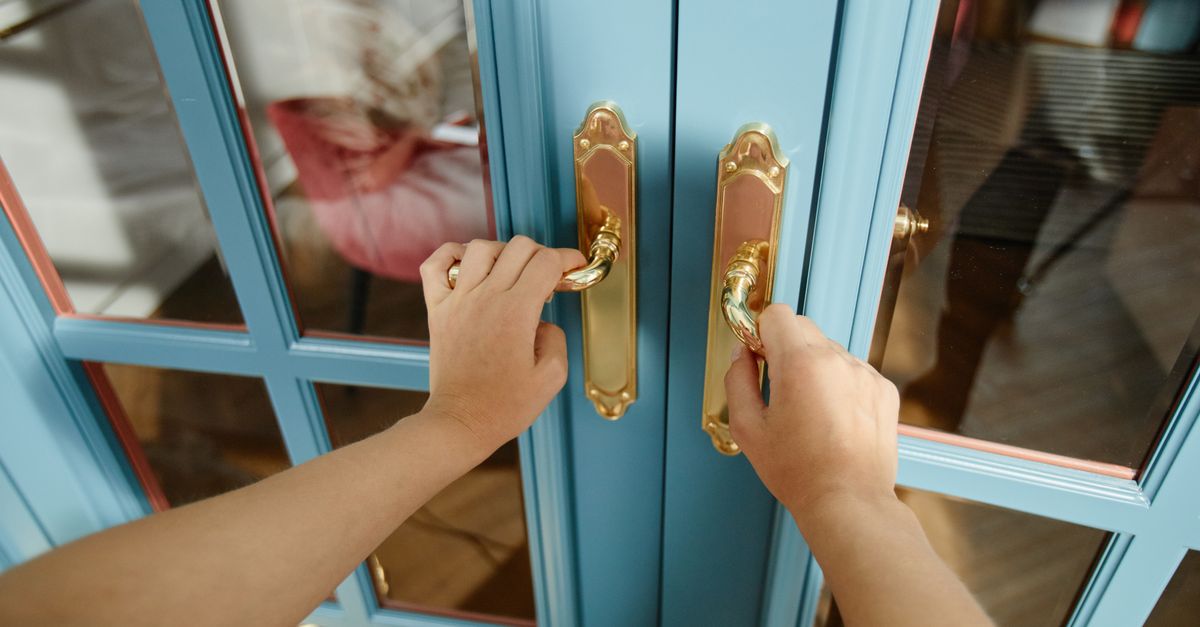
There are also several lock types to consider. A standard single-cylinder deadbolt suits most residential entry doors and works with a key from outside and a thumb-turn from inside. A double-cylinder deadbolt — used on doors with glass panels — requires a key on both sides. A jimmy proof deadbolt installation is particularly popular in Queens apartment buildings because the interlocking rim design resists the prying and jimmying attacks common in multi-unit buildings. For doors with a full mortise pocket already routed into the edge, a mortise lock replacement delivers the most secure and seamless result, housing the latch, deadbolt, and sometimes an additional lock point in a single internal case. We carry and install hardware from trusted brands including Schlage, Kwikset, Medeco, and mul-T-lock, so you get options that match both your security needs and your door's existing prep.