What a House Rekey Actually Does — and Why It Matters More Than You Think
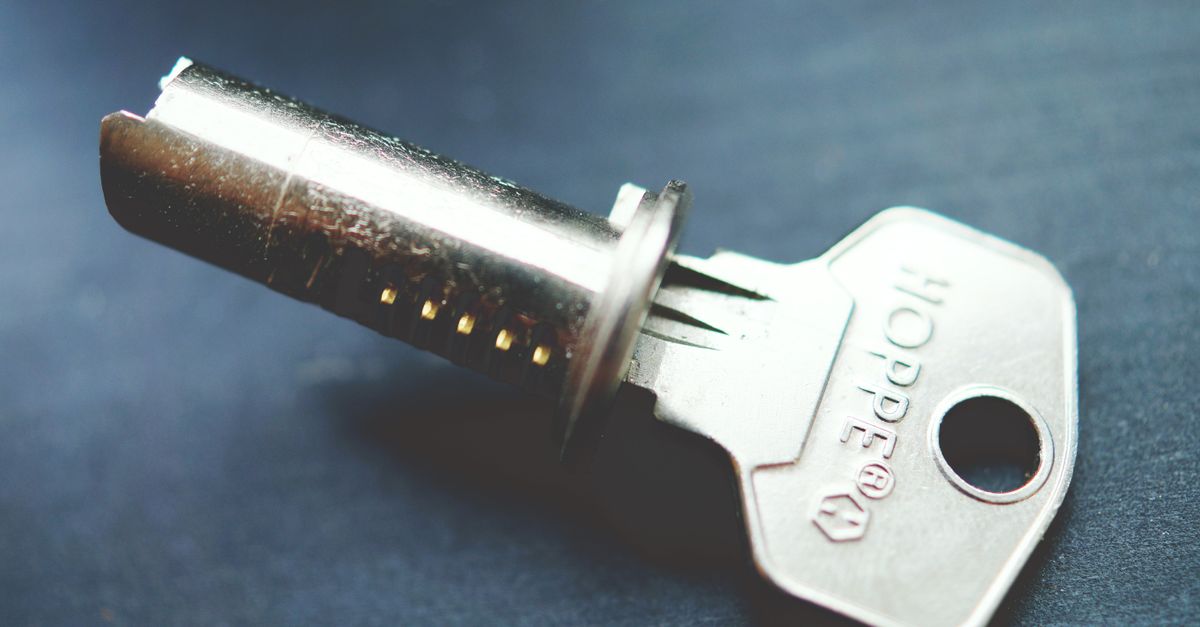
Rekeying changes the internal pin configuration inside a lock cylinder so that all existing keys no longer work and only the new key you receive will operate the lock. It is not the same as replacing the lockset. The hardware — the knob, deadbolt, or mortise lock body — stays exactly where it is. Only the small brass or steel pins inside the cylinder are swapped out by a trained technician using precision tools. This is why rekeying is the smart first step after any change in occupancy: it's faster than a full hardware replacement, causes no damage to your door or frame, and is just as secure as installing a brand-new lock.
What makes this especially valuable in Queens is the age of the housing stock. Maspeth, Ridgewood, Astoria, and Elmhurst are full of pre-war and mid-century homes with multiple lock types on a single door — a mortise lock built into the door edge, a deadbolt cylinder above it, and sometimes an older knob lock below. Our technicians are experienced working with all of these simultaneously. After a rekey appointment, every lock on every exterior door of your home responds to one new key. No more juggling a jangling collection of old cuts that may or may not be duplicated somewhere across the borough.