What Is a Mortise Lock and Why Do Queens Doors Still Use Them?
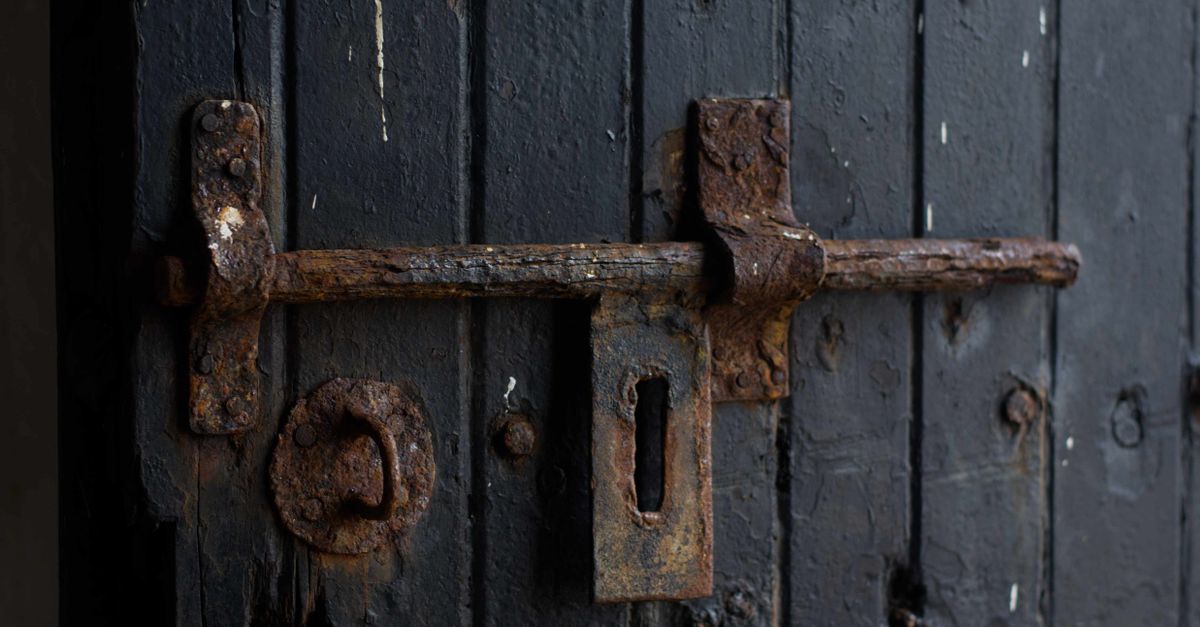
A mortise lock is a lock body that sits inside a precisely cut pocket — the mortise — chiseled into the edge of the door. The assembly typically includes a deadbolt, a spring latch, a spindle for the door knob or lever, and a separate mortise lock cylinder that accepts the key. Because all of these functions are integrated into one heavy-duty steel or cast-iron case, a mortise lock set delivers a level of structural rigidity that surface-mounted cylindrical locks simply cannot match. That is why building owners throughout Astoria, Woodside, Elmhurst, and Jamaica never replaced them — they outlasted every trend. The challenge is that when a component finally does wear out, it requires a technician who understands the internal cam and lever system, not just a standard pin-tumbler cylinder swap.
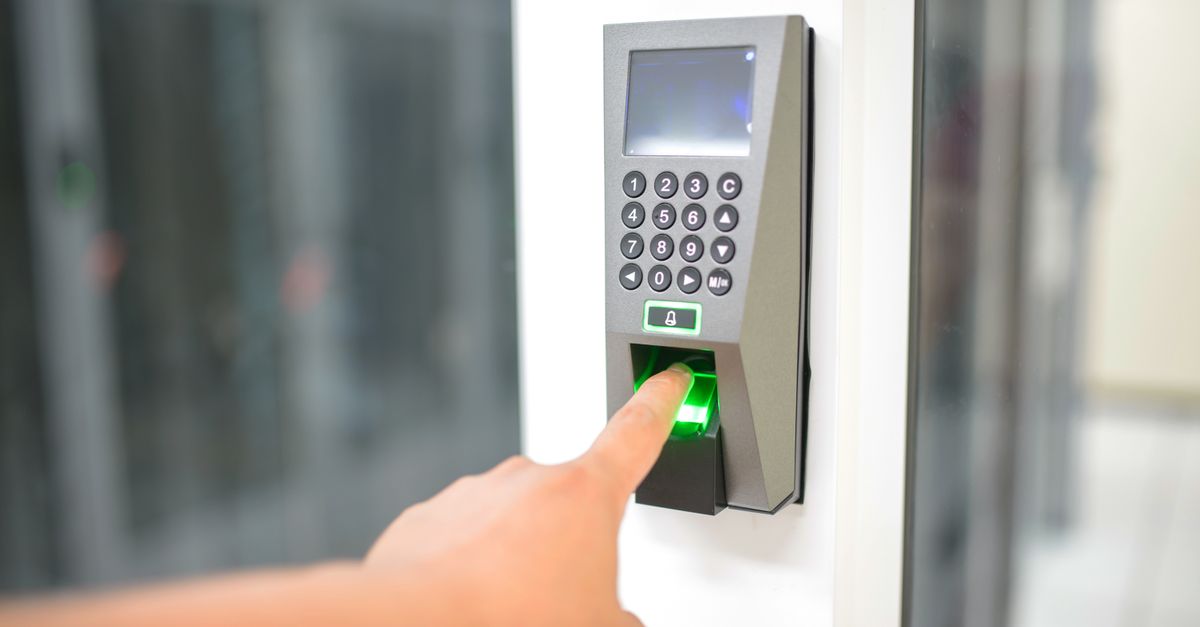
There is also meaningful variety within the category. A sliding door mortise lock operates on a different cam profile than a swinging entrance door unit. An electric mortise lock — increasingly requested for multi-unit buildings that want access-control integration without gutting a historic door — requires both mechanical know-how and basic low-voltage wiring awareness. And if you are upgrading to a smart mortise lock that pairs with a mobile app or key fob, the backing plate dimensions and backset measurements must align precisely with the existing mortise pocket. Our technicians evaluate the specific lock body in front of them before recommending any path forward, which means you get a solution tailored to your actual door, not a generic suggestion.