Maspeth Locksmiths Service Team
Local locksmith team
Jul 30, 2026 10 min read
If you live in Maspeth, Ridgewood, or almost anywhere else in western Queens, there is a good chance the front door of your home or apartment building does not have a standard knob-and-deadbolt setup. Instead, it has a single, beefy rectangular lock mechanism set directly into a pocket carved out of the door edge — a mortise lock. These locks are everywhere in the older rowhouses, two-families, and pre-war apartment buildings that line streets like Grand Avenue, 69th Street, and Fresh Pond Road, and for good reason: when they were installed decades ago, they were the gold standard of residential security.
But mortise locks are also misunderstood. Homeowners are not always sure what they have, whether it still works the way it should, or what to do when the cylinder gets stiff, the bolt stops throwing cleanly, or a key breaks off inside. This guide explains exactly what a mortise lock is, why Queens homes are full of them, and how to know when it is time to call a professional locksmith for repair or replacement.
## What Is a Mortise Lock, and How Is It Different from a Standard Door Knob Lock?
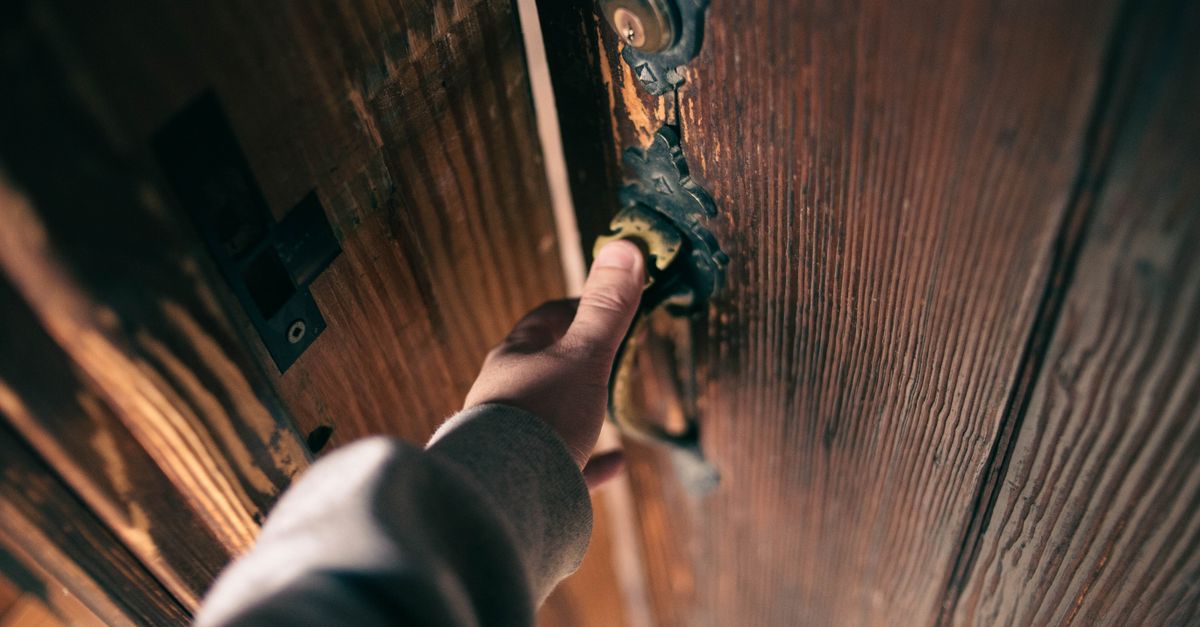
A mortise lock is a complete locking mechanism — latch, deadbolt, and sometimes a privacy function — all housed inside a single metal case that is recessed into a carved-out pocket (the 'mortise') in the door body itself. On the outside of the door you typically see an escutcheon plate, a door knob or lever, and a keyhole or cylinder. On the inside you usually find a thumbturn or a second knob. The lock case itself is entirely hidden within the door, which is part of what makes it so sturdy. Because the hardware is embedded in the door rather than surface-mounted, there is far less exposed hardware for someone to attack.
Compare that to the far more common modern setup: a cylindrical door knob with lock and key plus a separate deadbolt mounted above it. That two-piece arrangement works perfectly well on newer, thinner doors. But on the thick solid-wood doors common in pre-1960 Queens construction, a full mortise lock set was the standard — and it offered integrated latch and deadbolt action in one smooth throw. Brands like Corbin Russwin built enormous numbers of these units, and you will still find Corbin Russwin mortise lock hardware operating on doors across Maspeth and Ridgewood today, decades after installation.
## Why Are Mortise Locks So Common in Older Queens Homes?
Queens went through its biggest residential building boom between roughly 1910 and 1960. The rowhouses, attached two-families, and small apartment buildings constructed during that era were built to last, with solid-wood or solid-core doors that were often two inches thick or more. A surface-mounted cylindrical lock would have looked undersized and flimsy on that kind of door — and would have offered less structural resistance. The mortise lock set was the industry standard for quality residential and commercial construction, so builders specified it as a matter of course.
Fast forward to today and those same locks are still in place on thousands of Queens doors. Some have been well-maintained. Others have decades of paint layered over the escutcheon plate, dried-out internal springs, worn mortise lock cylinders that are starting to slip, or original skeleton-key keyways that no longer reflect modern security needs. Neighborhoods like Maspeth and Ridgewood — where whole blocks of housing stock date to the 1920s through 1940s — are ground zero for aging mortise hardware that may look fine from the outside but is quietly failing inside.
## Signs Your Mortise Lock Needs Repair or Replacement — And When to Call an Emergency Locksmith
Not every lock problem announces itself dramatically. Sometimes the warning signs are subtle: the key feels slightly harder to turn than it used to, the latch does not quite retract all the way on the first try, or the door needs to be lifted slightly before the bolt will engage. These are early signs of worn internal components — springs, cams, or the mortise lock cylinder itself — and they are much cheaper and easier to address before the lock fails completely. If you notice any of these symptoms, do not wait for a full lockout to happen.
A true emergency is a different scenario. If you are locked out of your home in Maspeth at midnight, or a key has broken off inside the cylinder on a Ridgewood two-family between tenants, that is the moment to call an emergency locksmith who can reach you quickly, verify your right of access, and either extract the broken key, pick the cylinder through legitimate professional methods, or replace the hardware on the spot. Our team at Maspeth Locksmiths responds 24 hours a day, 7 days a week, across Queens. Whether you searched 'locksmith near me' at 2 a.m. or you are planning ahead, we are the nearest locksmith available in your area — call (347) 934-2120 and we will confirm an exact up-front price before any work begins.
## Repair vs. Replacement: What a Locksmith Actually Does with a Mortise Lock
One of the most common questions we hear is whether an old mortise lock can be repaired or whether the whole unit needs to come out. The honest answer is: it depends on what is actually wrong. A worn or damaged mortise lock cylinder — the part that reads the key — can almost always be replaced independently without disturbing the rest of the lock body. Cylinder replacement is fast, restores full security, and lets you keep the original vintage hardware intact, which matters in older homes where the escutcheon plates are ornate or the door itself has a tight mortise that a modern lock body would not fit without additional carpentry.
When the internal mechanism itself is the problem — broken springs, a fractured cam, a latch bolt that no longer seats correctly — a skilled locksmith can often source replacement parts or rebuild the unit. However, if the lock body is cracked, severely corroded, or so worn that the bolt throw is unreliable, replacement is the smarter call. In that case, we can fit a new mortise lock set exterior door installation using quality hardware — including options from manufacturers like Baldwin if you want a high-end finish that complements an older home's character. A professional assessment on-site will always give you a clearer picture than any guess made remotely. Factors that affect the final price include the lock type and brand, any parts required, the time of day, and travel distance — we will always confirm your exact quote before we start.
## Finding a Legit Locksmith in Queens: What to Know Before You Call
If you are wondering how to find a legit locksmith — especially after a stressful lockout — the short answer is to look for a locally based team with a real address or service area, a verifiable phone number, and a clear policy of giving you a confirmed price before work starts. Maspeth Locksmiths is a mobile, Queens-based operation. We are insured, and our technicians are trained and experienced on everything from antique mortise hardware to modern high-security cylinders. We do not quote one price on the phone and present a different invoice at the door. What you are told up front is what you pay.
What does a locksmith do, exactly? The scope is broader than most people realize: residential lockouts, mortise lock repair and replacement, cylinder rekeying, new lock installation, commercial locksmith work for small businesses, car lockouts, ignition issues, and more. When it comes specifically to mortise locks, our technicians assess the full mechanism — cylinder, cam, latch, deadbolt, escutcheon, and strike plate — and explain what is worn, what is fine, and what your realistic options are. No upselling, no unnecessary hardware swaps. If you are a Queens homeowner, a landlord managing multiple Ridgewood units, or a building super responsible for a pre-war property, we are set up to handle exactly the kind of hardware your building already has. Call (347) 934-2120 — we answer 24/7 and can usually reach most Queens neighborhoods within the hour.
## Our Services: What Maspeth Locksmiths Handles Across Queens
We are a full-service, 24/7 mobile locksmith serving Maspeth, Ridgewood, Woodside, Sunnyside, Long Island City, Astoria, Jackson Heights, Elmhurst, Forest Hills, Rego Park, Middle Village, Glendale, Ozone Park, Richmond Hill, and surrounding Queens neighborhoods. Here is a specific look at what we do: residential lockout service, commercial lockout service, mortise lock repair, mortise lock set replacement, mortise lock cylinder replacement or rekey, standard deadbolt installation, high-security cylinder upgrades, door knob and lever handle replacement, broken key extraction, master key system setup for landlords and building managers, apartment rekey between tenants, mailbox lock replacement, gate lock installation and repair, padlock service, smart lock and keypad lock installation, garage side-door lock repair, car lockout service, car key replacement, transponder key programming, key fob replacement, ignition repair and replacement, trunk opening, lock-out service for motorcycles and scooters, duplicate key cutting, and emergency board-up coordination after a break-in. Whether your need is planned or urgent, our team comes to you — no shop visit required.
Frequently asked questions
What is a mortise lock and do I actually have one?+
A mortise lock is a self-contained locking mechanism — latch, deadbolt, and internal hardware — set inside a rectangular pocket carved into the door itself. You can usually tell you have one by looking at the door edge: if you see a tall, narrow metal faceplate running several inches up and down the edge of the door (rather than just a small latch or deadbolt hole), that is a mortise lock. Pre-war homes in Maspeth, Ridgewood, and similar Queens neighborhoods are especially likely to have them. If you are not sure, send us a photo or just describe what you see when you call — our team can walk you through it.
How much does a locksmith cost in NYC for mortise lock work?+
There is no single flat answer, because the right price depends on several factors: the specific lock type and brand involved, whether you need just a cylinder swap or a full lock body replacement, the parts required, the time of day (overnight calls involve different logistics), and your location in Queens. What we can tell you is that Maspeth Locksmiths confirms an exact price before any work begins — you will never be surprised by the invoice. Call (347) 934-2120 and describe the situation; we will give you a clear quote on the spot.
Can a mortise lock cylinder be replaced without replacing the whole lock?+
Yes, in most cases it can, and this is often the most practical solution for older Queens doors. The cylinder — the part that your key actually turns — is a separate component that can be removed and swapped out independently of the larger lock body. This is especially useful when the original mortise lock set is still mechanically sound but the cylinder is worn, outdated, or you need to rekey after a tenant move-out or a lost key situation. A trained locksmith can assess the cylinder type, source a compatible replacement, and have it installed quickly without damaging the door or the surrounding hardware.
My key broke off inside the mortise lock cylinder — what should I do?+
Do not try to dig the broken piece out with a screwdriver, tweezers, or anything that might push it deeper into the cylinder or scratch the internal components. The safest step is to call a professional locksmith. Our technicians use specific extraction tools designed for this situation — it is a routine job for an experienced locksmith even on older mortise cylinders with narrow keyways. Once the broken piece is out, we can assess whether the cylinder itself was damaged in the process and rekey or replace it if needed. We are available 24/7 at (347) 934-2120 — including nights, weekends, and holidays.